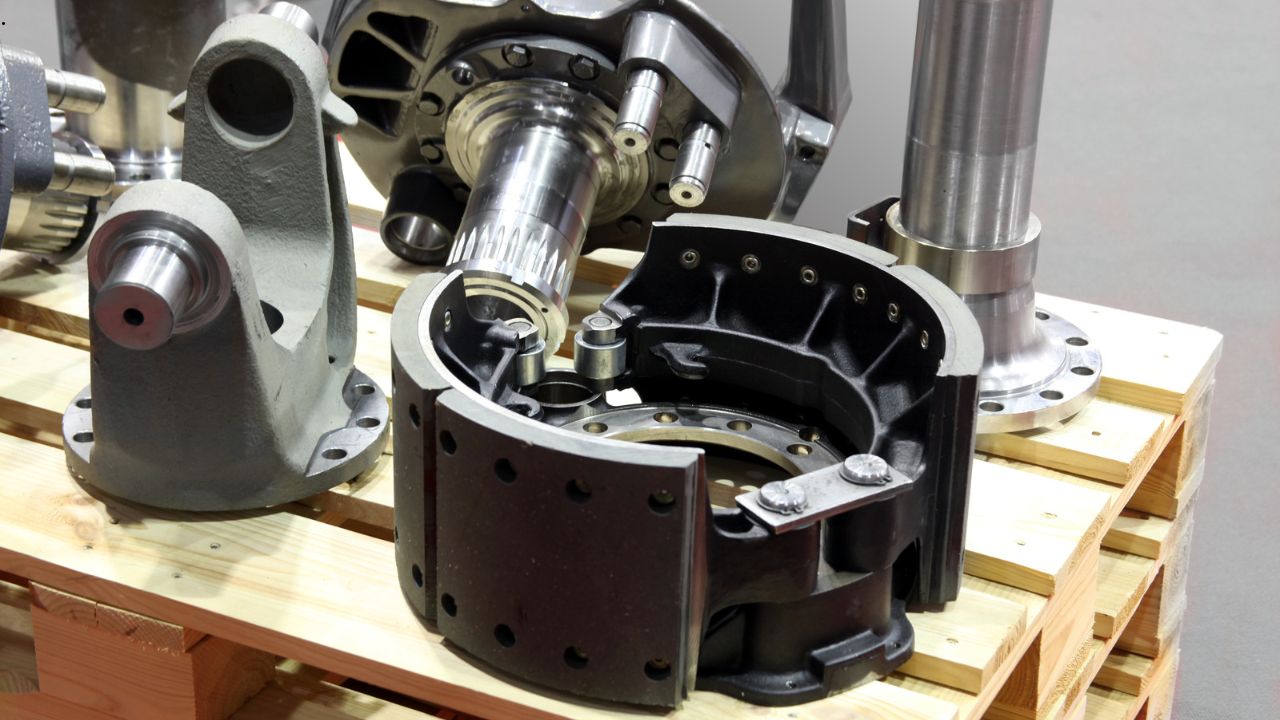
Trucks, tractors, excavators, and other heavy machines need regular maintenance to keep working properly. Over time, some components wear out, become damaged, or stop working as expected. When this happens, replacing the faulty part can help restore the machine’s performance and reduce the risk of further problems.
Finding the right replacement part is not always easy. Different machines may use different components, even when they come from the same manufacturer. Choosing the wrong part can lead to installation problems, wasted money, and unnecessary downtime.
In this guide, we will explain why replacement parts matter, which components commonly need replacing, and how to choose the right parts for your vehicle or equipment.
Table of Contents
What Are Replacement Parts?
Replacement parts are components used to replace damaged, worn, or faulty parts in a vehicle or machine. They help restore normal operation and allow equipment to continue working as intended.
These parts are used in many types of equipment, including commercial trucks, diesel engines, agricultural machinery, construction equipment, and passenger vehicles.
Some replacement parts are mechanical, while others are electrical or electronic. Examples include sensors, engine components, fuel system parts, filters, pumps, and control units.
The correct replacement part depends on the machine’s make, model, year, engine type, and existing component specifications.
Before purchasing any part, it is important to check its compatibility with your equipment.
Why Are Quality Replacement Parts Important?
Using suitable replacement parts is an important part of vehicle maintenance and equipment repair. The right component can help restore performance and support the safe operation of the machine.
1. Keep Equipment Working Properly
Every component has a specific job. A faulty sensor, damaged pump, or worn engine component can affect how the entire machine operates.
Replacing a faulty part with a compatible component can help restore the system’s normal function. However, the original cause of the problem should also be investigated to prevent the fault from returning.
2. Reduce Unnecessary Downtime
For businesses that depend on trucks and heavy machinery, downtime can affect daily operations. A vehicle that cannot complete its deliveries or an excavator that cannot work on a construction site may cause delays.
Having access to suitable replacement parts can help repair work move forward more quickly.
Checking part numbers and compatibility before ordering can also reduce delays caused by receiving the wrong component.
3. Support Engine Performance
Engine components work together to deliver power and maintain efficient operation. When a key component fails, the engine may lose performance, consume more fuel, or develop other problems.
Replacing the faulty component with the correct part can help restore proper operation. Regular inspections and maintenance can also help identify worn components before they cause more serious issues.
4. Protect Other Components
A faulty component can sometimes place extra pressure on other parts of a machine.
For example, a problem in a fuel system may affect engine operation, while a faulty emissions sensor may trigger warning lights or affect the emissions control system.
Identifying and repairing the original fault can help prevent unnecessary repairs and additional damage.
Common Types of Replacement Parts
Different machines require different components. Understanding the main types of replacement parts can help you identify what your equipment may need.
Engine Replacement Parts
Engines contain many components that work together to produce power. Depending on the engine, common replacement parts may include pistons, crankshafts, injectors, pumps, gaskets, and other internal components.
The correct part must match the engine model and specifications. Some components also require careful installation and adjustment by a qualified mechanic.
Sensors and Electrical Components
Modern vehicles and heavy equipment use sensors to monitor engine operation, exhaust emissions, temperature, and other important functions.
Oxygen sensors and nitrogen oxide (NOx) sensors are examples of components used in certain emissions control systems.
A faulty sensor may cause warning lights, error codes, or poor system performance. However, technicians should check the wiring, connectors, and related components before deciding that the sensor needs replacing.
Fuel System Components
Fuel system components help deliver the correct amount of fuel to the engine. Depending on the equipment, these may include fuel pumps, injectors, filters, and related parts.
When a fuel system develops a fault, the engine may struggle to start, lose power, or run unevenly.
Proper diagnosis can help identify the faulty component and reduce the risk of replacing parts unnecessarily.
Transmission and Hydraulic Components
Trucks and heavy machinery rely on transmission and hydraulic systems to perform different tasks.
Depending on the machine, replacement components may include pumps, valves, seals, bearings, and other system parts.
The correct component depends on the system design and equipment specifications. Hydraulic systems should be inspected and repaired using the appropriate safety procedures.
Electronic Control Units
Some vehicles and machines use electronic control units to manage engine operation and other functions.
If a control unit fails, the machine may develop communication problems or other electronic faults. Before replacing an ECU, technicians should check the power supply, wiring, connectors, and software requirements.
Some replacement control units also require programming or configuration before they can operate correctly.
How to Find the Right Replacement Part
Choosing the correct part is one of the most important steps in any repair. Follow these steps before placing an order.
1. Identify the machine. Check the manufacturer, model, production year, and engine details.
2. Check the part number. Use the part number from the original component or reliable technical documentation whenever possible.
3. Confirm compatibility. Make sure the replacement part matches your machine’s specifications and intended application.
4. Review the product details. Check the description, dimensions, electrical requirements, and any listed compatibility information.
5. Ask for assistance when needed. If you are unsure about a part, provide the supplier with the machine’s details and the original part number.
Do not rely on appearance alone. Two components may look similar but have different specifications or connection requirements.
Should You Choose OEM or Aftermarket Replacement Parts?
There are two common categories of replacement parts: original equipment manufacturer (OEM) parts and aftermarket parts.
OEM parts are supplied by the original manufacturer or through its authorised supply channels. Aftermarket parts are produced by other manufacturers and may offer additional choices in terms of price and availability.
Both categories can be suitable, depending on the part, supplier, and application.
When comparing options, consider compatibility, manufacturing quality, warranty terms, supplier reputation, and the importance of the component to safe operation.
For critical engine, braking, steering, or emissions-related components, careful selection is especially important. Always follow the equipment manufacturer’s specifications and applicable regulations.
Explore Replacement Parts Online
Finding suitable replacement parts can take time, particularly when you work with different truck brands, diesel engines, and heavy machinery.
The Best Manuals Online offers a range of replacement parts for various vehicles and equipment. Its category includes components such as NOx sensors, oxygen sensors, and other vehicle-related parts for selected applications.
You can browse the available Replacement Parts for Trucks and Heavy Equipment to review the listed products and find a component that may suit your needs.
Before ordering, check the product description, part number, compatibility details, and warranty information. If you cannot confirm whether a part fits your machine, contact the supplier before making a purchase.
Conclusion
Replacement parts play an important role in maintaining trucks, diesel engines, agricultural machinery, and construction equipment. Replacing worn or faulty components can help restore performance, reduce downtime, and support reliable operation.
However, choosing the correct part is just as important as replacing the damaged component. Always check the machine details, verify the part number, and confirm compatibility before ordering.
With careful selection, proper installation, and regular maintenance, you can keep your equipment working efficiently and reduce the risk of avoidable repair costs.